Tropical Cyclone Fytia made landfall on Madagascar's western coast on 31 January 2026, bringing heavy rainfall, strong winds, and storm surges to some of the country's most remote regions.
Preliminary assessments indicate significant humanitarian impacts across central and northern areas, with tens of thousands of people potentially affected.
The cyclone developed in the Mozambique Channel on 28 January and intensified before striking land on 31 January.
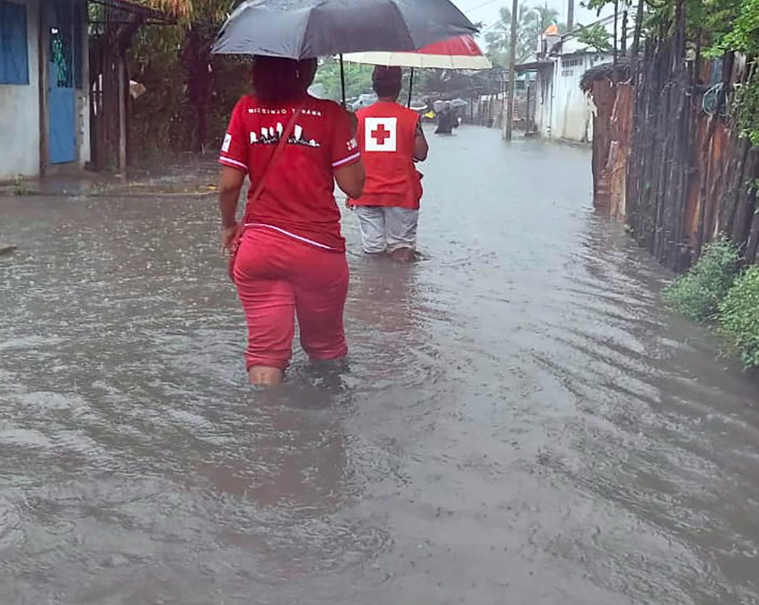
Initial reports indicate that around 5,000 people have been displaced, while a total of 38 districts across eight regions are forecast to be affected, with an estimated 175,000 people likely to be impacted.
Atleast 22 schools have been damaged, with 8 totally destroyed, affecting the education of 1,100 students.
Estimates indicate that 42,000 houses could be flooded and 176 health centers may sustain damage.
Mitsinjo and Soalala districts in Melaky Region are among the most affected areas but remain largely inaccessible.
In response, the government of Madagascar, through the National Bureau of Risk and Disaster Management (BNGRC) is leading the response in collaboration with UN agencies and humanitarian partners.
Aerial overflights and multi-sectoral assessments are being prepared for the most isolated areas, such as Mitsinjo and Soalala districts, which are currently only accessible by air. Food assistance has been transported to support displaced individuals in temporary shelters and evacuation sites, and emergency stocks are being prepared for deployment.
However, access constraints, logistical challenges, and limited pre-positioned supplies remain significant concerns as the situation continues to evolve.
