
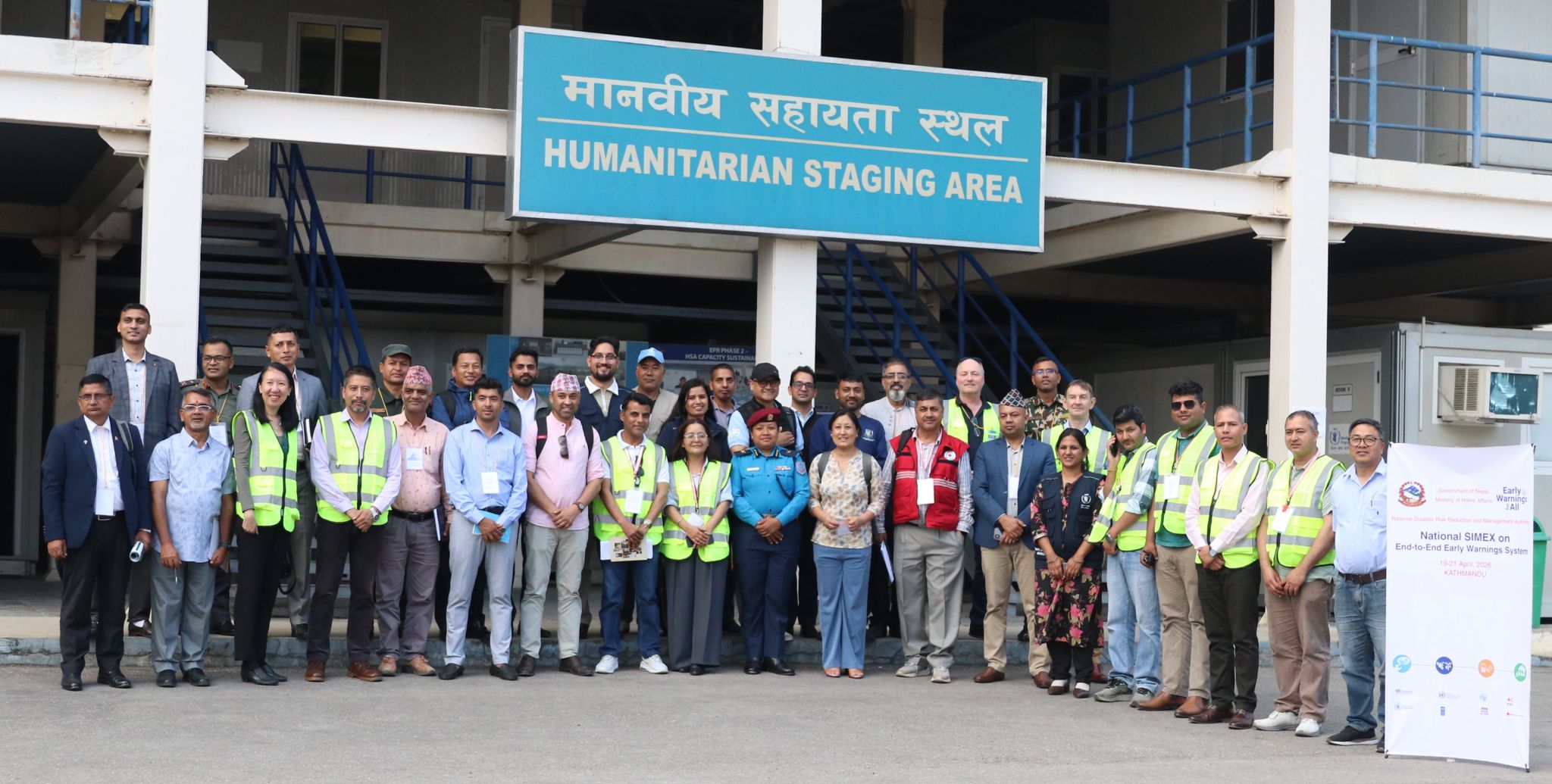
Kathmandu, Nepal, 19–21 April 2026 — Nepal has taken an important step forward in enhancing disaster preparedness by hosting its first National Flood Simulation Exercise (SIMEX) focused on End-to-End Early Warning Systems (EWS) and Anticipatory Action (AA).
The exercise was organized by the Government of Nepal, through the Ministry of Home Affairs and the National Disaster Risk Reduction and Management Authority (NDRRMA), in close collaboration with the International Federation of Red Cross and Red Crescent Societies (IFRC) and the Nepal Red Cross Society. It contributes to the global Early Warnings for All (EW4All) initiative, which aims to ensure that everyone on Earth is protected by early warning systems.
Bringing together a wide range of stakeholders, the SIMEX featured three main components. A stakeholder workshop in Kathmandu convened representatives from government institutions at national and subnational levels, technical agencies such as the Department of Hydrology and Meteorology, as well as UN agencies, humanitarian organizations, and media. This was followed by a Tabletop Exercise (TTX) hosted at the World Food Programme’s Humanitarian Staging Area, enabling participants to simulate coordination and decision-making processes during a flood event.
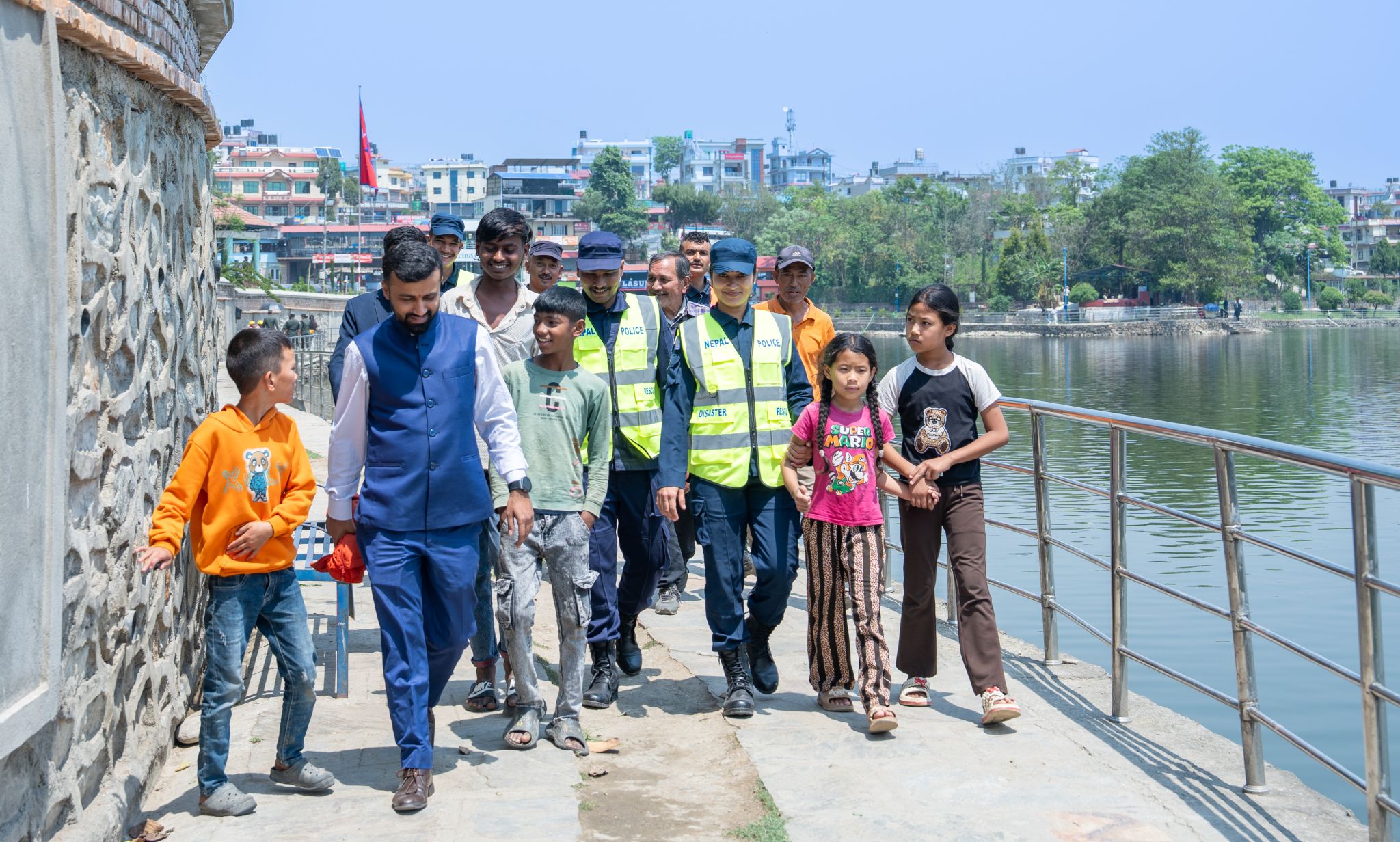
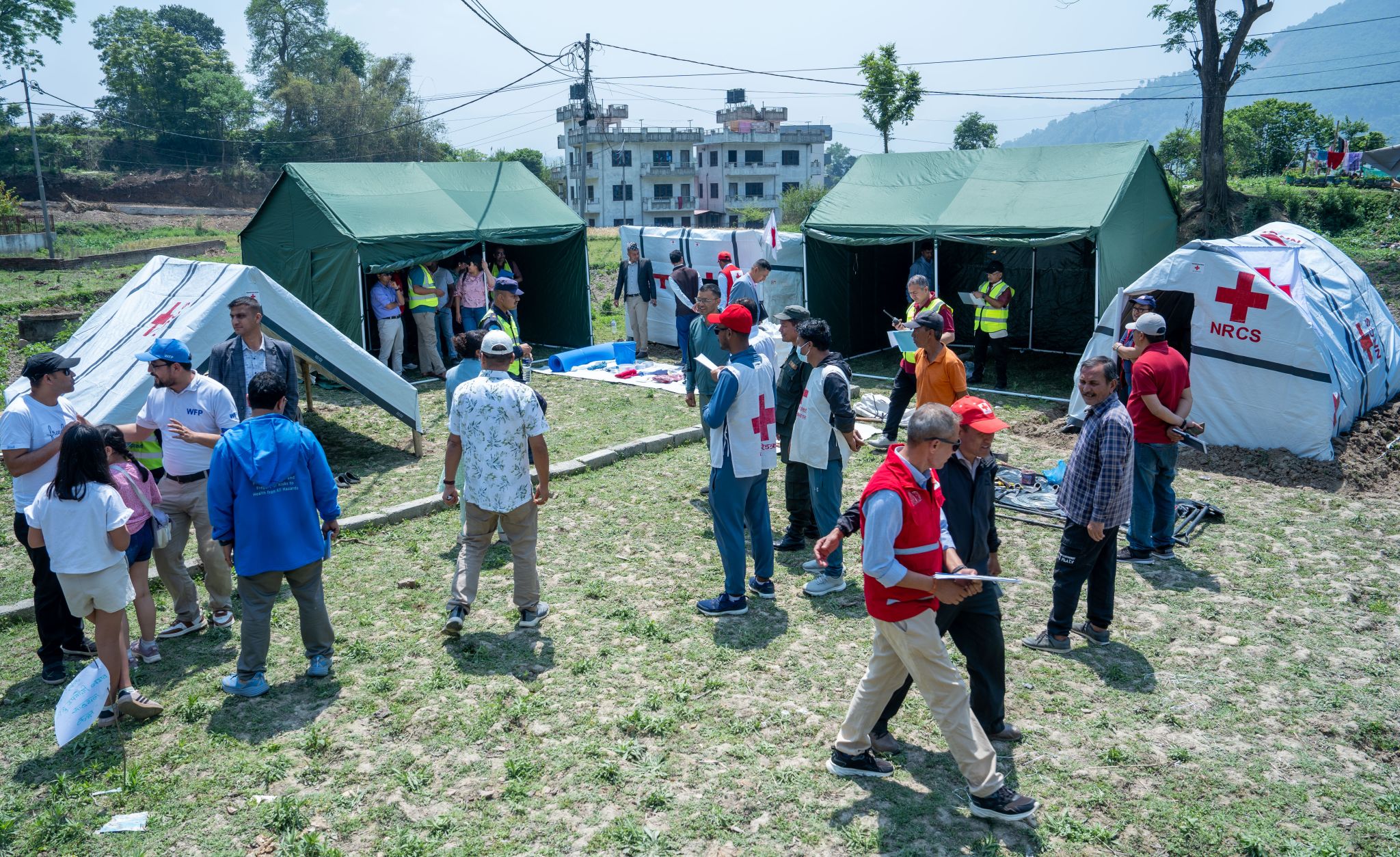
The exercise culminated in a large-scale field simulation at Taudaha Lake, involving more than 120 participants. The scenario tested key anticipatory actions, including community-based early warning dissemination, evacuation procedures, establishment of temporary shelters, delivery of medical support, and search and rescue operations. These activities were led by NDRRMA, the Nepali Army, Nepal Police, and the Armed Police Force Nepal, in collaboration with the Nepal Red Cross Society and IFRC.
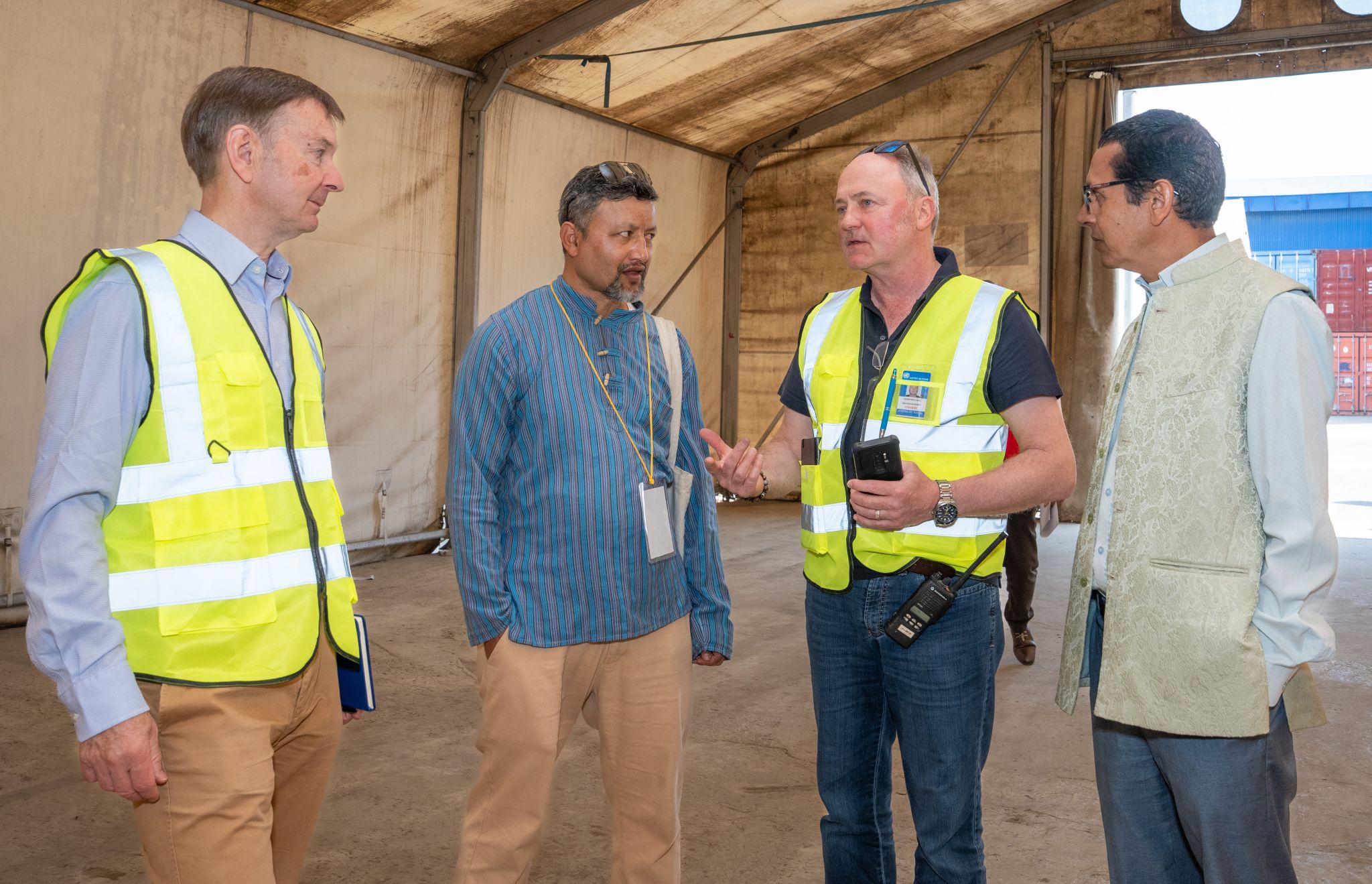
The SIMEX provided an opportunity to assess Nepal’s existing early warning systems and emergency response capacities, while also generating valuable feedback for the development of a new global simulation exercise manual under the EW4All framework.
Dr. Joerg Szarzynski, Officer-in-Charge of the UN-SPIDER Bonn Office, participated in the mission as part of the team contributing to the development of this new SIMEX manual, funded by IFRC. His presence in Nepal allowed for the collection of practical insights and lessons learned from the exercise, which will support the finalization of the manual and its applicability in different country contexts.
Overall, the exercise highlighted the importance of coordination across institutions and demonstrated how simulation-based approaches can strengthen preparedness and anticipatory action for flood hazards. It represents a strong example of how countries can enhance multi-hazard early warning systems through practical, collaborative training, contributing to more effective disaster risk reduction and resilience-building efforts.
Impressions from the SIMEX
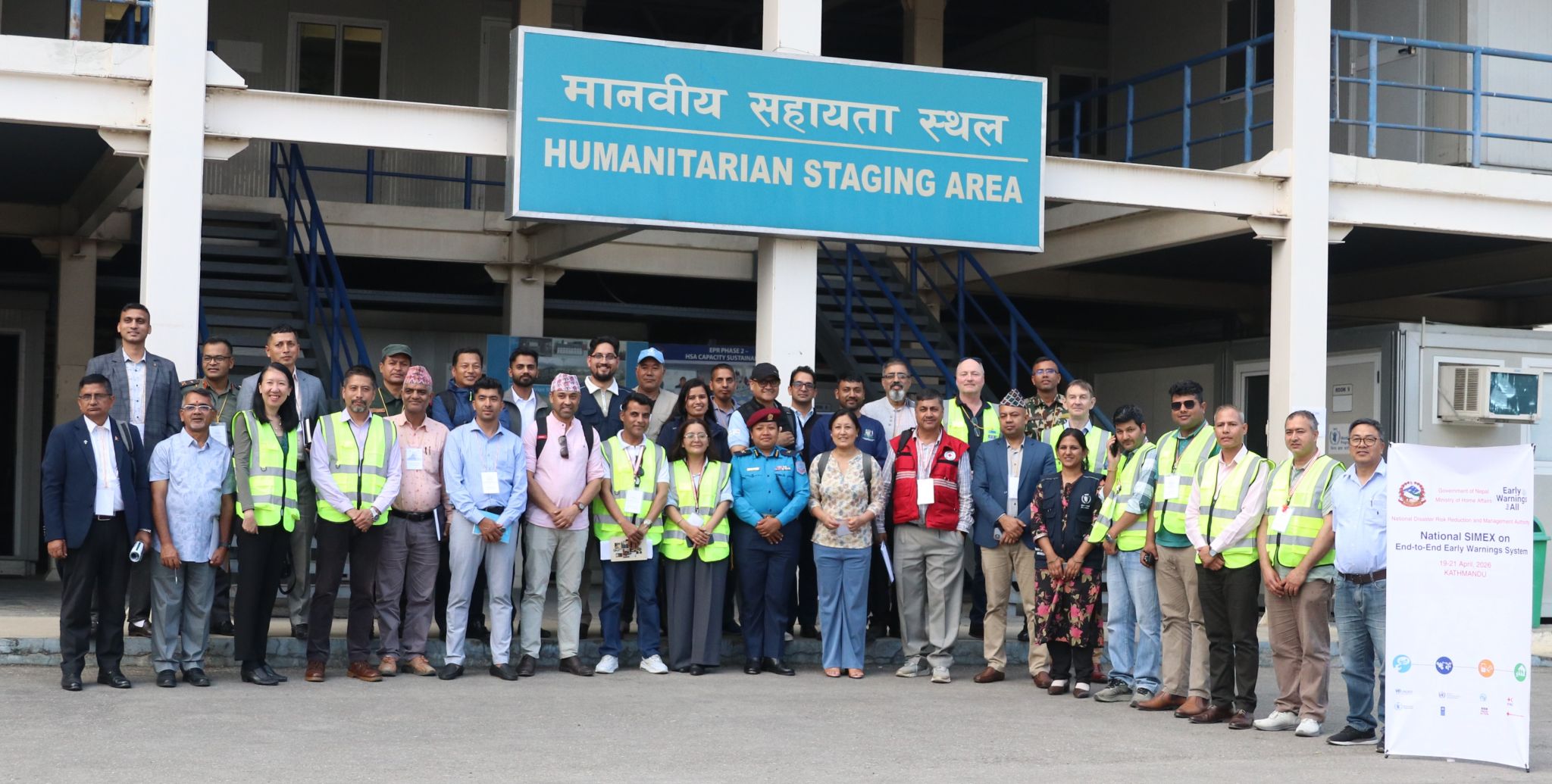
Copyright photos: NDRRMA & IFRC
